What Are the Signs That Your Child May Need Braces in West Reading, PA?
Your child may need braces if you notice crowded teeth, crooked teeth, early or late loss of baby teeth, difficulty biting or chewing, mouth breathing, thumb sucking habits, jaw shifting, or bite problems such as an overbite, underbite, crossbite, or open bite. These signs do not always mean your child needs braces right away, but they are good reasons to schedule an orthodontic evaluation.
At Martin Family Orthodontics in West Reading, PA, we help parents understand how their child’s teeth, jaws, and bite are developing. Dr. Benjamin J. Martin, DMD, MS provides evidence-based orthodontic care for families, with a focus on clear communication, accurate diagnosis, and treatment recommendations that fit each child’s needs.
This Article will address
- What signs may mean your child needs braces
- What early orthodontic warning signs parents should watch for
- Whether an overbite, underbite, or crossbite means your child needs treatment
- What age your child should see an orthodontist in West Reading, PA
- Whether an early orthodontic visit means braces right away
- What early orthodontic treatment means for children
- What happens during a child’s first orthodontic evaluation
- What treatment options may be available if your child needs orthodontic care
- Why families choose Martin Family Orthodontics in West Reading, PA
What Are the Signs That Your Child May Need Braces?
Children may need braces when their teeth, bite, or jaw development are not aligning properly. Some signs are easy for parents to see, such as crooked teeth or crowding. Other concerns, such as bite alignment or jaw growth, may be harder to recognize without an orthodontic evaluation.
Your child may benefit from an orthodontic evaluation if you notice:
- Crowded, crooked, or overlapping teeth
- Teeth that do not meet properly when biting
- Early or late loss of baby teeth
- Difficulty chewing or biting food
- Mouth breathing
- Thumb sucking or prolonged pacifier use
- Speech concerns related to tooth or bite position
- Jaws that shift, pop, or appear uneven
- Frequent cheek biting
- An overbite, underbite, crossbite, or open bite
These signs do not automatically mean your child needs braces immediately. In many cases, the first step is simply to evaluate your child’s growth, tooth eruption, and bite development. This helps parents understand whether treatment is needed now, whether monitoring is best, or whether braces may be recommended later.
What Are the Early Signs That My Child May Need Braces?
The early signs that your child may need braces can include crowded teeth, spacing problems, bite issues, and oral habits that affect tooth position. Some children have visible tooth alignment concerns, while others have jaw or bite concerns that are easier for an orthodontist to identify.
Parents should pay attention to how their child’s teeth come together, how permanent teeth are erupting, and whether baby teeth are being lost earlier or later than expected. For example, if permanent teeth come in at unusual angles, or if your child struggles to bite into food comfortably, an orthodontic evaluation may be helpful.
Other early signs may include:
- Baby teeth that fall out much earlier or later than expected
- Permanent teeth that appear blocked, crowded, or angled
- Large gaps caused by missing teeth or delayed eruption
- Upper and lower teeth that do not fit together evenly
- Uneven tooth wear
- Ongoing thumb sucking or oral habits beyond early childhood
- Difficulty biting, chewing, or closing the mouth comfortably
At Martin Family Orthodontics, we evaluate these signs carefully so parents can make informed decisions. Early insight can be especially helpful because some orthodontic problems are easier to manage while a child is still growing.
Does an Overbite, Underbite, or Crossbite Mean My Child Needs Orthodontic Treatment?
An overbite, underbite, or crossbite does not always mean your child needs braces immediately, but it does mean your child should be evaluated by an orthodontist. Bite problems can affect how the teeth come together and how the jaws develop over time. The right timing for treatment depends on your child’s age, growth pattern, tooth development, and the severity of the bite concern.
What Is an Overbite?
An overbite happens when the upper front teeth overlap the lower front teeth more than expected. Some overlap is normal, but a deeper overbite may contribute to tooth wear, bite imbalance, or difficulty with proper tooth contact.
What Is an Underbite?
An underbite happens when the lower teeth sit in front of the upper teeth. This can affect the way the front teeth meet and may be related to jaw growth patterns. Early evaluation is important because some underbites are easier to address while a child is still developing.
What Is a Crossbite?
A crossbite happens when some of the upper teeth sit inside the lower teeth when your child bites down. Crossbites may involve the front teeth, back teeth, or both. Depending on the case, early treatment may be recommended to support better bite development.
What Is an Open Bite?
An open bite happens when the upper and lower front teeth do not touch when the back teeth are together. This may be related to tooth position, jaw growth, or habits such as thumb sucking. An orthodontic evaluation can help determine whether treatment or monitoring is needed.
What Age Should My Child See an Orthodontist in West Reading, PA?
Children should typically see an orthodontist by age 7, or sooner if parents notice crowding, bite problems, early or late tooth loss, mouth breathing, or difficulty chewing. Around this age, children usually have a mix of baby teeth and permanent teeth, which allows an orthodontist to evaluate how the teeth and jaws are developing.
An early orthodontic evaluation in West Reading, PA can help identify concerns before they become more complex. This does not mean every child needs braces at age 7. In many cases, the orthodontist may simply recommend monitoring your child’s growth and development over time.
Parents in West Reading, Reading, Wyomissing, and surrounding Berks County communities may want to schedule an evaluation if their child has:
- Crowded or blocked-out teeth
- Bite problems
- Jaws that appear uneven
- Trouble chewing
- Mouth breathing
- Prolonged thumb sucking
- Baby teeth that were lost much earlier or later than expected
At Martin Family Orthodontics, we help families understand whether their child’s development is on track and whether early treatment, observation, or future braces may be appropriate.
Does an Early Orthodontic Visit Mean My Child Needs Braces Right Away?
No. An early orthodontic visit does not always mean your child needs braces right away. Many children are evaluated early and placed on observation, which means the orthodontist monitors their growth and tooth development until the timing is right for treatment, if treatment is needed at all.
For some children, early treatment may be recommended if a developing issue could become more difficult to correct later. For others, comprehensive braces or clear aligners may be recommended once more permanent teeth have erupted.
An early visit helps answer important questions, such as:
- Is my child’s bite developing properly?
- Are permanent teeth coming in correctly?
- Is there enough room for future teeth?
- Does my child need early treatment?
- Should we monitor growth before starting braces?
- What treatment options may be available later?
This approach gives parents clarity. Instead of waiting until a problem becomes more noticeable, an orthodontic evaluation allows us to provide guidance based on your child’s specific development.
What Is Early Orthodontic Treatment for Children?
Early orthodontic treatment, sometimes called interceptive treatment, is orthodontic care that begins while a child still has some baby teeth. It is not recommended for every child, but it may be helpful when certain growth, spacing, or bite concerns are present.
The goal of early treatment is not simply to straighten teeth. It may be used to guide jaw growth, create space for permanent teeth, support proper bite development, or reduce the risk that a concern becomes more complicated later.
What Is Phase One Orthodontic Treatment?
Phase One orthodontic treatment usually takes place while a child still has a mix of baby and permanent teeth. This phase may focus on jaw growth, bite correction, space management, or helping permanent teeth erupt into better positions.
Some children who receive Phase One treatment may still need braces or clear aligners later. However, early care may help make future treatment more predictable, depending on the child’s needs.
What Is Phase Two Orthodontic Treatment?
Phase Two orthodontic treatment usually happens later, often when most or all permanent teeth have erupted. This phase may involve braces or clear aligners to align the teeth and improve the bite.
Not every child needs two-phase treatment. At Martin Family Orthodontics, we recommend treatment based on each child’s growth, bite, and long-term orthodontic needs.
What Happens During a Child’s First Orthodontic Evaluation?
During a child’s first orthodontic evaluation, our team reviews your child’s tooth alignment, bite development, jaw growth, and overall orthodontic needs. This visit is designed to help parents understand what is happening now and what may need to be monitored in the future.
During the evaluation, we may:
- Review your child’s dental and orthodontic development
- Evaluate tooth alignment and bite position
- Assess jaw growth and spacing
- Use digital radiography when needed
- Discuss whether treatment is needed now, later, or not at all
- Explain possible treatment options based on your child’s needs
Martin Family Orthodontics uses advanced, patient-friendly technology to support accurate evaluations. Digital radiography helps us assess tooth and jaw development, while digital impressions allow us to gather precise information without traditional messy molds when impressions are needed.
Our in-house orthodontic laboratory also supports efficient fabrication of certain orthodontic appliances, including retainers. This helps us provide convenient, streamlined care for families.
What Treatment Options Are Available if My Child Needs Orthodontic Care?
If your child needs orthodontic care, the recommended treatment will depend on their age, tooth development, bite needs, and growth pattern. At Martin Family Orthodontics, we provide a range of treatment options and explain each recommendation clearly so parents understand the purpose of care.
Braces for Children and Teens
Braces are a reliable option for correcting tooth alignment and bite concerns. They may be recommended when a child or teen has crowding, spacing, crooked teeth, or bite problems that need controlled tooth movement.
Braces can help guide teeth into better positions and support a healthier, more functional bite.
Early or Interceptive Orthodontic Treatment
Early or interceptive orthodontic treatment may be recommended when certain problems are easier to address while a child is still growing. This may include concerns involving space, tooth eruption, jaw development, or bite alignment.
The goal is to support better development and determine the most appropriate timing for future treatment, if needed.
Clear Aligners for Older Children or Teens
Clear aligners, including Invisalign and ULab Clear Aligners, may be an option for older children or teens, depending on their orthodontic needs and level of responsibility. Clear aligners are removable and more discreet than traditional braces, but they must be worn as directed to be effective.
We help families determine whether braces, clear aligners, or another orthodontic approach is the right fit.
Why Choose Martin Family Orthodontics for a Child Braces Evaluation in West Reading, PA?
Choosing an orthodontist for your child is an important decision. At Martin Family Orthodontics, we provide family-centered orthodontic care built on evidence-based treatment, modern technology, and clear communication.
Dr. Benjamin J. Martin, DMD, MS is a Diplomate of the American Board of Orthodontics. His training includes a dental degree from the University of Pennsylvania School of Dental Medicine, an Orthodontic Specialty Certificate from Texas A&M Baylor College of Dentistry, and a Master of Science in Oral Biology.
Families choose Martin Family Orthodontics because we offer:
- Board-certified orthodontic care
- Evidence-based treatment planning
- Digital impressions for a more comfortable experience
- Digital radiography for accurate evaluations
- An in-house orthodontic lab for efficient appliance fabrication
- Braces, clear aligners, Invisalign, and ULab Clear Aligners
- Early, interceptive, and comprehensive orthodontic treatment
- A professional team that treats patients like family
We are proud to serve families in West Reading, Reading, Wyomissing, and nearby Berks County communities. Our goal is to help each child achieve the best possible outcome for their smile and bite while making the process clear and comfortable for parents.
Schedule Your Child’s Orthodontic Evaluation in West Reading, PA
If you are wondering whether your child may need braces, an orthodontic evaluation can give you clear answers. Early signs such as crowding, bite problems, difficulty chewing, mouth breathing, or delayed tooth development should not be ignored, but they also do not always mean treatment needs to begin right away.
At Martin Family Orthodontics in West Reading, PA, Dr. Benjamin J. Martin and our team provide thoughtful, evidence-based orthodontic care for children, teens, and families. We will evaluate your child’s smile, explain what we see, and help you understand the right timing for treatment if care is needed.
To schedule a child braces evaluation or orthodontic consultation, contact Martin Family Orthodontics by phone or email. We are here to help your family take the next step with confidence.
Sources
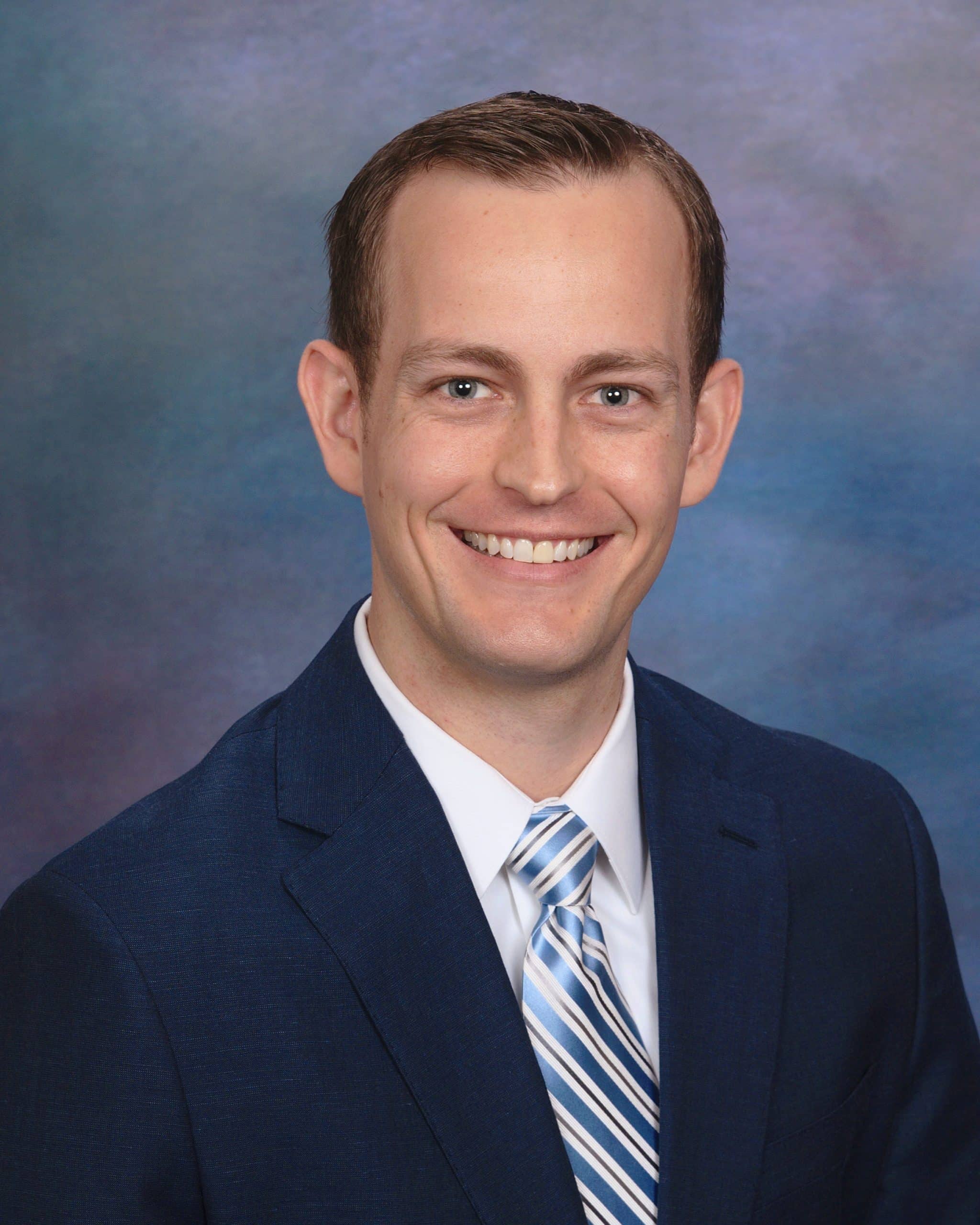
Benjamin J. Martin, DMD, MS,
Dr. Benjamin J. Martin, DMD, MS, leads Martin Family Orthodontics with a simple philosophy: treat every patient like family. He combines his extensive education from the University of Pennsylvania and Texas A&M Baylor College of Dentistry with a passion for delivering exceptional, evidence-based orthodontic care. A published researcher and award-winning orthodontist, Dr. Martin is dedicated to creating bright smiles for his patients. With a passion for improving smiles and boosting confidence, he brings years of expertise and compassion to each patient’s treatment.