Early Orthodontic Treatment for Kids in West Reading, PA
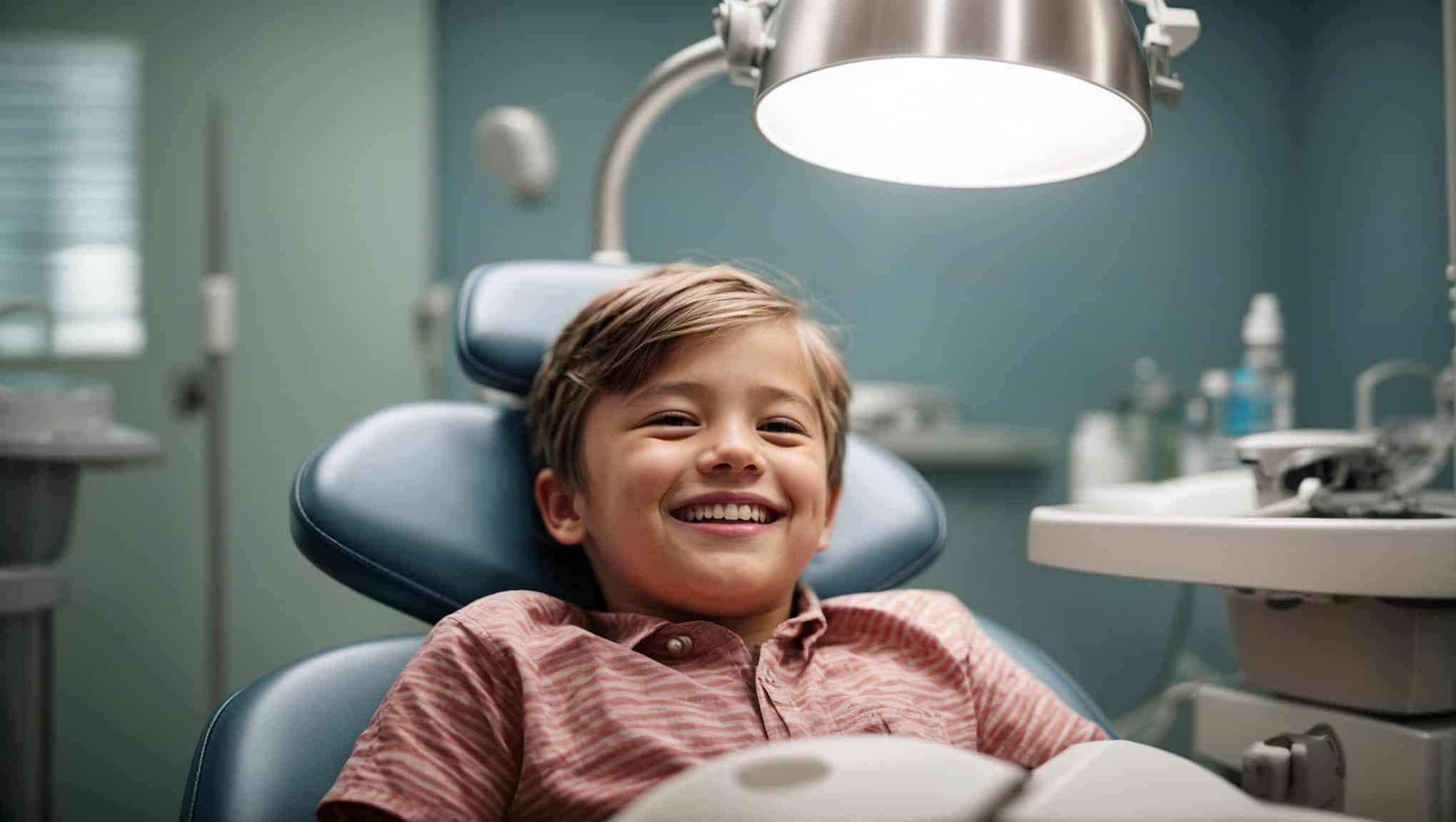
At Martin Family Orthodontics, we believe a child’s first orthodontic visit can shape their entire smile journey. Located in the heart of West Reading, PA, our practice welcomes children for early evaluations designed to catch developing bite and jaw issues while their mouth is still growing. Dr. Benjamin J. Martin and our team treat every family like our own, and we invite you to schedule a consultation to see what an early check-up can reveal about your child’s smile.
What Is Early Orthodontic Care for Children?
Early orthodontic care is an evaluation, and when needed, a treatment plan for children whose jaws and teeth are still developing. Rather than waiting until all of a child’s adult teeth have come in, we look at how the jaw is growing and whether teeth are erupting in a healthy pattern. This approach, often called Phase 1 orthodontics or interceptive orthodontic treatment, focuses on guiding growth rather than correcting a fully formed bite. At our practice, we use digital radiography and digital impressions to get a clear, comfortable picture of what’s happening beneath the surface before any appliance is ever recommended, and our orthodontic care covers every stage of a child’s development from that first visit onward.
At What Age Should My Child See an Orthodontist?
Most orthodontists recommend a first evaluation by age seven, once enough permanent teeth have come in to reveal how the jaw is developing. At this age, we can often spot subtle problems, like a narrow jaw or a bite that isn’t lining up correctly, long before they become obvious. Most children who come in for a first visit at this age don’t need treatment right away, and that’s a good outcome. It simply means we can monitor growth and step in only if and when it becomes genuinely useful, a shared philosophy of guiding jaw growth while baby teeth are still present across the orthodontic profession. Families throughout our community bring children in for these early check-ins with no pressure to start treatment before it’s needed.
What Are the Signs My Child May Need Early Treatment?
A handful of signs tend to show up well before a child’s permanent teeth have fully erupted, and parents are often the first to notice them at home. If any of the following sound familiar, it’s worth scheduling a screening:
- Crowded, crooked, or overlapping teeth
- An overbite, underbite, or crossbite
- Early or unusually late loss of baby teeth
- Difficulty chewing or persistent mouth breathing
- Thumb-sucking or tongue-thrusting habits past preschool age
None of these signs guarantee that treatment is necessary, but each one is worth having a professional take a look at. Catching a developing problem while a child’s jaw is still flexible often means a simpler, faster path forward.
What Is the Difference Between Phase 1 and Phase 2 Orthodontics?
Phase 1 orthodontics happens while a child still has a mix of baby and adult teeth, usually between the ages of 6 and 10, and focuses on guiding jaw growth and creating room for permanent teeth. Phase 2 is the more familiar stage, typically involving full braces or clear aligners once most or all adult teeth have erupted, usually in the early teen years. Completing interceptive treatment doesn’t always mean skipping Phase 2 altogether, but it can make that second stage shorter and more straightforward by resolving structural issues while a child is still growing.
What Appliances Are Used During Early Treatment?
The right appliance depends entirely on what a child’s evaluation reveals, and no two early treatment plans look exactly the same. Appliances we may recommend include:
- Palatal expanders, which widen a narrow upper jaw to create space for incoming teeth
- Space maintainers, which hold room for permanent teeth that haven’t erupted yet
- Partial braces, used to correct one specific, targeted alignment issue
- Habit-correcting appliances, which help address thumb-sucking or tongue-thrusting patterns
Because our practice maintains an in-house orthodontic laboratory, appliances can often be fabricated and adjusted quickly, which keeps a child’s treatment moving without unnecessary delays.
What Are the Benefits of Starting Treatment Early?
Starting treatment early gives us the chance to work with a child’s growth instead of against it, which often means better outcomes with less effort down the road. Families who choose an early evaluation typically see:
- Simpler, shorter treatment once permanent teeth have come in
- Better guided jaw growth and more room for incoming teeth
- Improved chewing, speech, and breathing function
- A boost in confidence as a child’s smile improves
Every child’s timeline looks a little different, but early intervention keeps more options open than waiting until a problem becomes harder to correct.
Will My Child Still Need Braces Later On?
Possibly, and that’s completely normal. Early treatment is designed to guide growth and resolve structural issues, not necessarily to finish the job in a single step. Many children who complete an early treatment plan still need a second round of braces or clear aligners once their permanent teeth have come in, but that second phase is often shorter and more predictable because the groundwork has already been laid. We’ll walk you through exactly what to expect for your child’s specific situation at every step along the way.
How Long Does Early Treatment Typically Take?
Most early treatment plans run anywhere from six months to a year, though the exact timeline depends on what we’re addressing and how a child’s mouth responds along the way. Some children need a single appliance for a defined period, while others benefit from a slightly longer plan involving more than one step. Once early treatment wraps up, we typically move into a resting period where we simply monitor growth until it’s time to consider a second phase, if one turns out to be needed at all.
Is Early Treatment Uncomfortable for Kids?
Most children adjust to early treatment within a few days of getting a new appliance, and any initial pressure tends to feel more like an unfamiliar sensation than real discomfort. A palatal expander, for example, can cause mild soreness for the first day or two, similar to the feeling of a loose tooth. We walk every family through what to expect before treatment begins, and our team is always available if a child needs extra reassurance or a quick adjustment along the way.
How Do I Know if My Child Is a Candidate for Early Care?
The only reliable way to know is through an in-person evaluation, since many of the signs that matter, like subtle jaw growth patterns or the position of unerupted teeth, aren’t visible to the naked eye. During a consultation, we’ll examine your child’s teeth and bite, review digital images, and talk through their dental history before recommending next steps. If treatment isn’t needed yet, we’ll simply let you know what to watch for and when to check back in.
Why Choose Martin Family Orthodontics for Early Treatment
Dr. Benjamin J. Martin brings a rare combination of credentials to every early evaluation: a Master of Science in Oral Biology, Diplomate status with the American Board of Orthodontics, and published research on evidence-based orthodontic care. Families throughout our community consistently mention how comfortable and unhurried our visits feel, and how much they appreciate a team that treats every child like their own. Our in-house orthodontic laboratory and digital imaging keep appointments efficient, while our approach stays focused on what actually benefits your child, not on rushing toward treatment that isn’t needed yet.
Ready to Start?
If you want to fix your smile or bite, we can help. We offer everything from braces to clear aligners. Give us a call to set up your first visit.
Schedule Your Child’s Early Orthodontic Evaluation Today
If your child is approaching age seven, or you’ve noticed any of the signs above, there’s no better time than now to schedule a consultation. Call or email our West Reading, PA office to set up your child’s evaluation, and let us show you what early orthodontic treatment could mean for their smile.